Weekly Meal Planner: Streamlining Nutrition with Editable Vector Templates
A Weekly Meal Planner is far more than a simple grid for listing breakfast, lunch, and dinner. In practice, it serves as a strategic command center for household logistics, budget management, and nutritional consistency. When designed correctly, this tool bridges the gap between aspirational health goals and the chaotic reality of modern schedules. The most effective planners are not static documents but adaptable systems that evolve with your lifestyle. Using a high-quality, editable template transforms meal planning from a restrictive chore into a flexible framework that supports decision-making rather than dictating it.
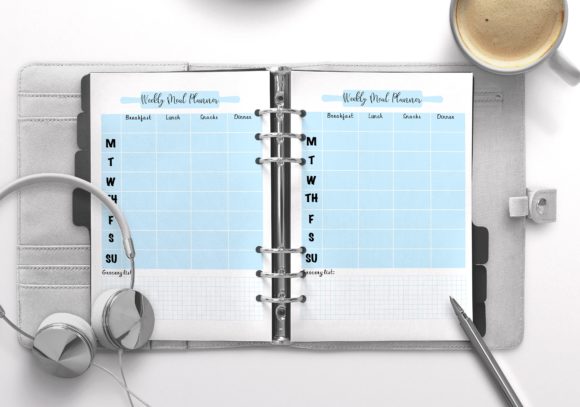
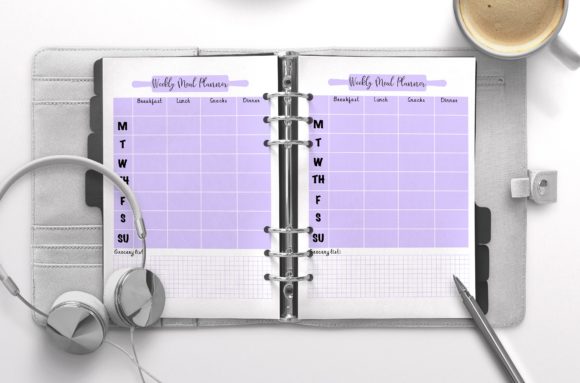
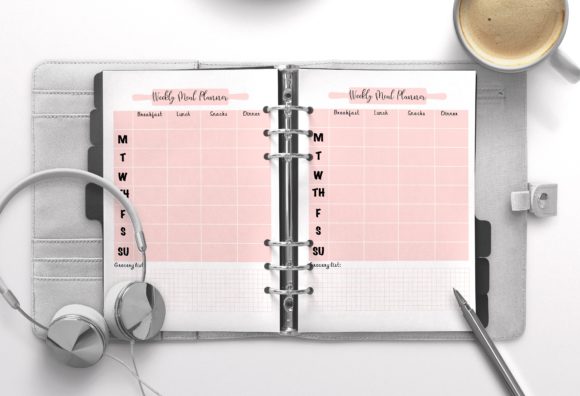
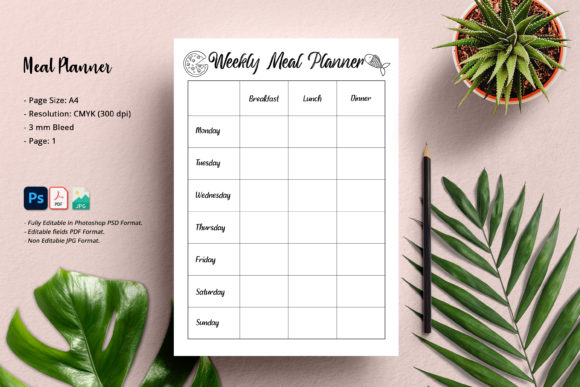
The true value of a structured planner emerges when you move beyond generic printables and utilize professional-grade resources. A Simple and Minimal Weekly Meal Planner template designed in Photoshop offers a level of customization that standard PDFs cannot match. Because these templates rely on vector shapes and icons, you can adjust colors to match your kitchen aesthetic or brand identity without losing resolution. This vector-based approach ensures that whether you are printing at home or sending files to a professional printer, the lines remain crisp and the text remains legible. For users who prefer immediate functionality over design tweaking, the included fillable PDF version provides an accessible middle ground, allowing for digital entry via Acrobat Reader while maintaining the clean, minimal layout.
Real-World Applications Beyond Basic Scheduling
While the primary function is organizing food intake, the practical applications of a well-designed Weekly Meal Planner extend into various aspects of daily life and business. Understanding these diverse use cases helps maximize the return on investment when acquiring premium design assets.
Household Budgeting and Waste Reduction
For families and individuals managing tight grocery budgets, the planner acts as a financial instrument. By mapping out meals before shopping, users significantly reduce impulse purchases and food waste. The minimal design of this specific template reduces cognitive load, making it easier to stick to the plan. When the visual clutter is removed, the focus shifts entirely to the ingredients and the schedule. Users often find that the act of filling out the editable fields creates a psychological commitment to the plan, resulting in fewer takeout orders and better pantry utilization. The A4 size is particularly practical here, offering enough surface area to list detailed ingredient breakdowns alongside meal slots without requiring multiple pages.
Nutrition Coaching and Wellness Businesses
Health coaches, nutritionists, and personal trainers frequently need branded materials to support their clients. A vector-based Photoshop template allows these professionals to integrate their brand colors and logos seamlessly. Because all elements are vector shapes, resizing icons or adjusting color palettes to match corporate guidelines takes seconds rather than hours. This capability turns a generic meal planner into a proprietary client resource. Coaches can create distinct versions for different programs—perhaps a green-themed version for plant-based clients and a warm-toned version for metabolic recovery protocols—using a single master file. The inclusion of CMYK color space and 3mm bleed ensures that if these professionals choose to print physical handouts for workshops or welcome packets, the output quality meets commercial standards.
Content Creation and Digital Products
For Etsy sellers, bloggers, and digital product creators, this type of template serves as foundational intellectual property. The fully layered PSD file (compatible with CS6 and above) provides a base for creating unique products without starting from scratch. Creators can modify the typography, rearrange vector icons, and alter layouts to produce a suite of related planners. The non-editable JPG included in the package also serves as an immediate mockup or preview image for online listings. This versatility makes the asset valuable not just for personal organization, but as a building block for a creative business.
Technical Considerations for Optimal Use
Selecting and utilizing a professional meal planner template requires understanding the technical specifications to ensure the final product meets your needs. The distinction between the various file formats included in this package dictates how you should approach your workflow.
- Photoshop Compatibility: The PSD file requires a minimum of Photoshop CS2, though CS6 or later is recommended for optimal performance with smart objects and vector masks. If you lack access to Photoshop, this format will not be usable for editing design elements.
- Vector Integrity: All icons and shapes are vector-based. This means you can scale the planner to different dimensions or zoom in indefinitely without pixelation. However, rasterizing these layers will destroy this benefit. Always keep original vector layers intact until final export.
- Print Specifications: The file is set up at 300 DPI in CMYK color mode with a 3mm bleed. This is strictly for print production. If you intend to use the planner digitally on a tablet, you may want to convert the color profile to RGB and crop out the bleed area to avoid color shifting on screens.
- PDF Functionality: The editable PDF is restricted to form fields only. You cannot change fonts, colors, or move elements in Acrobat Reader. This format is ideal for end-users who need to type in meals but do not need to redesign the document.
Evaluating Strengths and Limitations
No single tool solves every problem, and recognizing the boundaries of this Weekly Meal Planner template prevents frustration. The minimal aesthetic is a significant strength for those overwhelmed by complex tracking systems. It encourages consistency through simplicity. However, this same minimalism may be a limitation for users who require integrated macro-nutrient tracking, extensive recipe databases, or automated grocery list generation within the same document. The template provides structure, not data.
Furthermore, the requirement for Photoshop for full customization presents a barrier to entry for casual users. While the editable PDF mitigates this, those wanting to change the header font or icon style must have both the software and basic proficiency. Conversely, for designers and organized individuals comfortable with these tools, this requirement is actually a benefit, as it ensures the template remains uncluttered by unnecessary automated scripts or bloated features found in consumer-grade software.
Making the Right Choice for Your Workflow
Before downloading or purchasing, assess your actual workflow rather than your aspirational one. If you print a new sheet every Sunday and prefer writing by hand, the high-resolution CMYK PDF with bleed is your primary asset. If you manage meals digitally and share plans with a partner via email, the fillable PDF version offers the best balance of portability and utility. If you are a designer or business owner looking to create branded stationery, the vector PSD is where the real value lies.
Consider also the longevity of the format. Unlike app-based planners that may become obsolete with software updates or subscription cancellations, a vector-based PSD and standard PDF are universally accessible archival formats. You own the file outright. This permanence appeals to users who view meal planning as a long-term lifestyle practice rather than a temporary diet fix. The ability to revisit and revise the same master file year after year allows the planner to mature alongside your changing dietary needs and family dynamics.
Ultimately, a Weekly Meal Planner succeeds when it reduces friction. Whether you are using it to streamline family dinners, enhance a coaching practice, or build a digital product line, the combination of editable vectors and practical file formats provides a robust foundation. By leveraging the technical capabilities of the PSD and the accessibility of the PDF, you transform a simple organizational tool into a sustainable system for healthier, more intentional living.