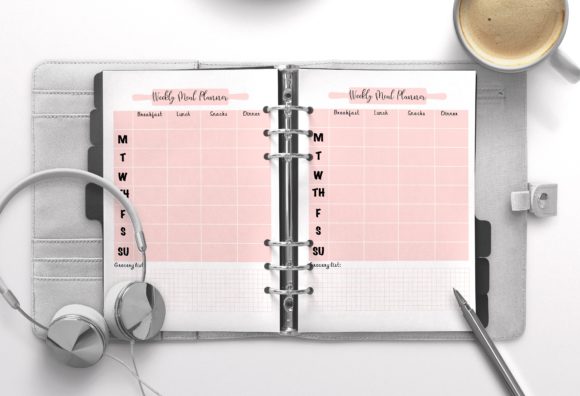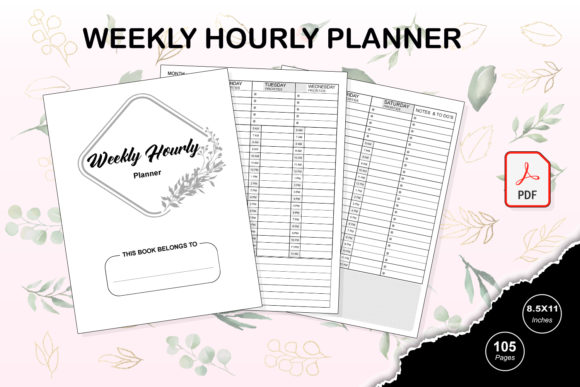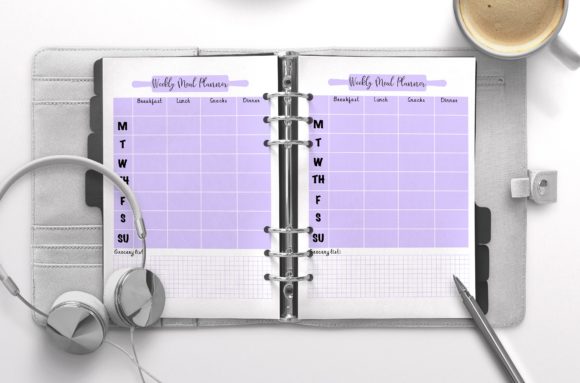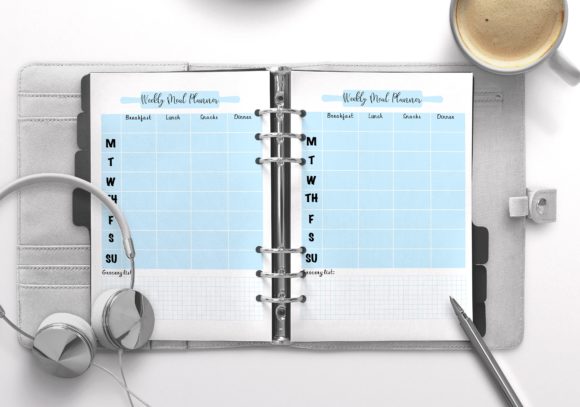
KDP Interior Weekly Meal Planner: Strategic Asset for Publishers and Personal Organization
The KDP Interior Weekly Meal Planner represents more than a simple collection of blank grids; it is a foundational asset for low-content publishing entrepreneurs and individuals seeking structured nutritional management. For publishers, this specific interior file serves as a high-utility product designed to meet consistent market demand in the health and wellness niche. For end-users, it provides a tangible framework for decision-making regarding diet, budget, and time management. Understanding the dual nature of this asset—as both a commercial product and a functional tool—is essential for maximizing its value. Whether you are utilizing this 105-page PDF to build a passive income stream or to reorganize personal habits, success depends on intentional application rather than passive acquisition.
Technical Specifications and Publishing Readiness
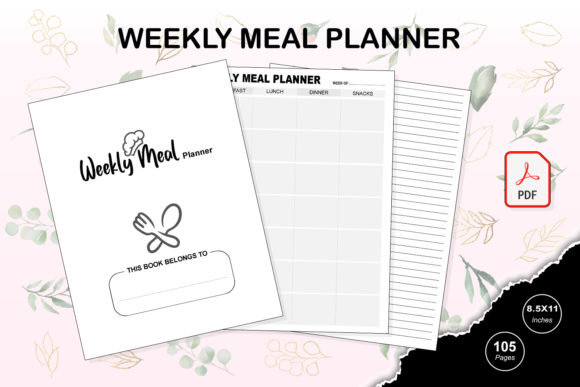
Before leveraging this asset for Amazon KDP or personal printing, one must understand the precise technical parameters included in the instant download ZIP file. This package is engineered for immediate deployment, eliminating the learning curve associated with formatting. The inclusion of a 300 DPI resolution across all files ensures professional print quality, avoiding the pixelation that often plagues amateur low-content books. The trim size of 8.5×11 inches with no bleed is a strategic choice; it maximizes printable area while minimizing formatting errors during the upload process. No bleed interiors are significantly faster to approve and easier to format for beginners, reducing the friction between creation and publication.
The ZIP file structure is designed for operational efficiency. It contains three distinct components: a complete 105-page interior, a dedicated first page file, and two single-page variations. This segmentation allows for flexibility. Publishers can use the full manuscript for a comprehensive annual planner or utilize the single-page files to create test products, lead magnets, or digital downloads. The separate first page file facilitates custom cover integration without disrupting the pagination of the main body. By providing these assets in a ready-to-upload state, the resource shifts your focus from technical troubleshooting to strategic marketing and audience positioning.
Strategic Positioning in the Low-Content Market
For entrepreneurs and marketers, the KDP Interior Weekly Meal Planner is a vehicle for entering a saturated market with a differentiated approach. The meal planning niche is evergreen, but generic planners rarely sustain long-term sales. To achieve better results, you must position this interior within a specific sub-niche. Consider who specifically needs a weekly meal planner. Is it for busy professionals managing stress eating? For parents navigating picky eaters? For fitness enthusiasts tracking macros? The 105-page count suggests a quarterly or semi-annual duration, which appeals to users who find annual planners too daunting and monthly planners too fleeting. Your metadata, title, and description should reflect this specific utility rather than broad generalizations.
Differentiation also extends to how you bundle or present this interior. While the file is ready to upload, adding value through supplementary content can increase perceived worth. You might pair this interior with a proprietary introduction on meal prepping strategies, a grocery shopping guide, or seasonal recipe suggestions. Even though the core asset is a template, the context you build around it determines its commercial viability. Treat the KDP Interior Weekly Meal Planner as the skeleton upon which you build a unique brand identity. This approach aligns with E-E-A-T principles by demonstrating experience and expertise in solving a specific user problem, rather than simply reselling a commodity.
Operational Efficiency and Decision Making
Beyond publishing, the practical application of this planner supports critical life operations for adults aged 20–50. Meal planning is fundamentally an exercise in resource allocation. It requires balancing financial constraints, time availability, nutritional goals, and household preferences. Using a structured KDP Interior Weekly Meal Planner transforms abstract intentions into concrete decisions. When you physically write down meals for the week, you engage in prospective memory and executive functioning. This act reduces cognitive load during the week, as the decision of "what to eat" has already been made during a designated planning session. For freelancers and small business owners whose income may fluctuate, this tool also serves as a budget enforcement mechanism, preventing impulse spending on convenience foods.
The 8.5×11 inch format offers ample space for detailed notation, which is crucial for effective planning. Smaller formats often restrict users to listing dish names only. This larger trim size accommodates ingredient lists, preparation notes, cooking times, and even cost tracking. For those using this planner personally, leverage this space to track patterns over time. Note which meals provided sustained energy versus those that led to afternoon slumps. Document prep times to refine future scheduling. The planner becomes a data set for personal optimization. Without this level of intentionality, the planner remains a static notebook rather than a dynamic tool for lifestyle design.
Risks of Unstructured Implementation
Acquiring a high-quality interior does not guarantee success in publishing or personal organization. A primary risk for publishers is assuming the interior sells itself. In the current KDP landscape, quality is the baseline, not the differentiator. Relying solely on the 105-page count without conducting keyword research or analyzing competitor covers will likely result in zero visibility. Similarly, for personal users, the risk lies in perfectionism. A rigid adherence to a pre-printed structure can backfire if life circumstances change unexpectedly. If the planner feels like a chore rather than a support system, abandonment is inevitable. Flexibility is key; use the planner as a guide, not a contract.
Another consideration is the limitation of the "no bleed" specification. While safer for uploading, it imposes margins that must be respected. Publishers must ensure their cover designs account for this safe zone to avoid white borders appearing unintentionally on the printed book. For personal users creating custom inserts or modifications, understanding these margins prevents text from being cut off during home printing. Always review the PDF preview before committing to a print run or binding method. Technical awareness prevents costly mistakes and ensures the final product meets professional standards.
Maximizing Long-Term Value Through Intentional Use
To extract maximum value from the KDP Interior Weekly Meal Planner, adopt a cyclical review process. For publishers, this means monitoring sales data and customer feedback to iterate on future versions. Does the 105-page length correlate with higher completion rates? Do customers request additional sections for snacks or hydration? Use the instant download nature of this asset to rapidly prototype new variations based on real-world data. The low barrier to entry allows for agile testing of different niches, layouts, and price points. Over time, this builds a portfolio of validated products rather than speculative guesses.
For individuals and professionals using the planner for self-management, long-term value comes from reviewing past entries to inform future planning. After completing a quarter, analyze the pages. Identify recurring waste, favorite meals, and scheduling conflicts. This retrospective analysis turns the physical planner into a personalized knowledge base. You might discover that Tuesday dinners consistently fail due to late work meetings, prompting a shift to slow-cooker meals for that specific day. This level of strategic self-awareness is where the true ROI of a physical planning tool lies. It bridges the gap between aspirational goals and daily reality.
Integrating Digital and Physical Workflows
Although this product is a physical print interior, modern workflows often benefit from hybrid integration. Publishers can offer the single-page PDF files as digital bonuses to capture email leads or build community engagement. This creates multiple touchpoints with potential customers. For personal users, consider digitizing successful meal plans. Photograph or scan weeks that worked exceptionally well to create a digital reference library. This combines the cognitive benefits of handwriting with the searchability of digital storage. The versatility of the included files supports this cross-platform approach, ensuring the asset serves multiple functions simultaneously.
Ultimately, the KDP Interior Weekly Meal Planner is a tool defined by its user's intent. Its 300 DPI clarity and standardized sizing provide a professional foundation, but strategy provides the direction. Whether you are building a publishing business or optimizing household logistics, approach this asset with clear objectives. Define your niche, respect the technical specifications, and commit to iterative improvement. Avoid the trap of passive consumption. Active engagement with the material—whether through market research or disciplined weekly planning—is the only path to meaningful outcomes. By treating this interior as a strategic component of a larger system, you transform a simple download into a catalyst for sustainable growth and organized living.