Unicorn Shadow Matching Games: Integrating Editable Assets into Creative and Educational Workflows
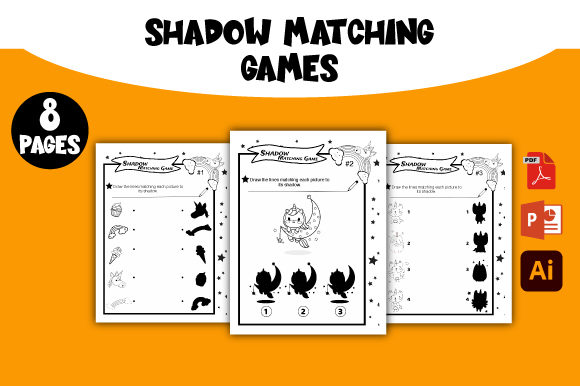
Unicorn shadow matching games serve as a specific, high-engagement visual activity within the broader ecosystem of early childhood education resources and low-content publishing. For creators, educators, and digital product entrepreneurs, these assets are not merely standalone images but functional components of a larger production pipeline. Understanding how to leverage unicorn shadow matching games with answer keys requires shifting focus from simple consumption to strategic implementation. Whether you are developing a commercial KDP interior, designing classroom centers, or creating digital downloads for an Etsy shop, the value lies in the versatility of the source files and their integration into your existing creative workflow.
The Role of Visual Matching Activities in Product Development
In the context of resource creation, unicorn shadow matching games function as cognitive development tools that bridge entertainment and skill-building. They fit into the pre-production phase of educational material design by providing ready-made content structures that satisfy specific learning outcomes, such as visual discrimination and fine motor skills. Rather than illustrating these assets from scratch, professionals utilize comprehensive asset packs to accelerate time-to-market. This approach allows publishers and educators to focus on curriculum alignment, marketing, and distribution rather than the labor-intensive process of vector illustration.
These activities also play a critical role during the active usage phase. For teachers and homeschoolers, they serve as independent work stations or assessment tools. The inclusion of an answer key transforms the game from a passive activity into a verifiable learning checkpoint, facilitating self-correction and reducing administrative overhead. For digital product sellers, the answer key adds perceived value to the listing, addressing buyer intent for complete, usable solutions. In post-project analysis, feedback from these specific activities can inform future product iterations, highlighting which difficulty levels or themes resonate most with the target demographic.
Leveraging Multi-Format Asset Packs for Efficiency
The technical specifications of your source materials dictate the efficiency of your entire production cycle. A professional-grade download for unicorn shadow matching games typically includes three distinct file types, each serving a unique purpose in a diversified workflow:
- 300 DPI PDF Files: These are print-ready assets optimized for immediate use. At 8.5×11 inches with bleed, they meet standard publishing requirements for platforms like Amazon KDP or Teachers Pay Teachers. This format eliminates guesswork regarding resolution and margins, ensuring quality control without additional prepress checks.
- Editable PowerPoint Templates: PPT files offer accessibility for users who lack advanced design software. They allow for rapid customization, such as adding branding, changing fonts, or rearranging layout elements. This format is essential for educators who need to adapt content for specific lesson plans or for marketers creating promotional mockups.
- Adobe Illustrator (AI) Templates: Vector-based AI files provide maximum flexibility for professional designers. With 8 pages of editable templates, this format supports deep customization, including color grading, element isolation, and scaling without quality loss. This is the industry standard for creating derivative works or maintaining brand consistency across multiple products.
Integrating these formats ensures that the asset pack remains useful regardless of the user’s technical proficiency or end goal. The availability of source files means the product is an investment in a reusable library rather than a single-use consumable.
Workflow Integration for Publishers and Educators
Successfully implementing unicorn shadow matching games requires a structured approach to file management and adaptation. Before beginning any project, verify that your software environment is compatible with the provided AI and PPT templates. Organize assets using a consistent naming convention that reflects theme, skill type, and version number. This preparation prevents bottlenecks when scaling production or updating older materials.
During the creation phase, treat the 8-page AI template as a master document. Instead of editing the original file directly, save iterative versions for different outputs. For example, one version might be optimized for black-and-white printing to reduce ink costs for classroom handouts, while another retains full color for premium digital downloads. The bleed settings included in the 8.5×11 inch trim size should be respected throughout this process to prevent white borders after trimming. If combining these games with other activities, use the master template’s grid system to maintain visual consistency across the entire publication.
Quality control is paramount when working with pre-made assets. Always review the 300 DPI PDF against the editable source files to ensure no corruption occurred during transfer. Test print a sample page at actual size to verify that shadows and outlines align correctly and that text remains legible. For digital products, validate that hyperlinks (if added) function correctly and that file sizes are optimized for web delivery without sacrificing print quality.
Strategic Customization and Derivative Works
The true ROI of editable unicorn shadow matching games emerges through strategic customization. Professionals should view the base assets as a foundation for unique intellectual property. Using the Adobe Illustrator templates, you can modify color palettes to match seasonal trends or specific brand guidelines. Elements can be extracted and repurposed for social media graphics, website headers, or email newsletter visuals, extending the utility of the initial purchase far beyond the original scope.
For those in the low-content publishing space, differentiation is key to avoiding market saturation. Use the editable templates to alter the complexity of the shadows, add background patterns, or incorporate supplementary text elements that align with niche keywords. The answer key component can also be adapted; consider creating separate teacher guides, progress tracking sheets, or certificate of completion templates using the same visual language. This cohesive approach strengthens brand recognition and provides a more comprehensive user experience.
Educators can integrate these games into broader learning modules by customizing the PPT templates to include instructional prompts or vocabulary words relevant to current lessons. The ability to edit text and layout allows for scaffolding, where the same core activity can be adjusted for different age groups or ability levels within the same classroom. This adaptability makes the asset pack a sustainable resource that grows with your teaching practice.
Technical Considerations for Long-Term Usability
Maintaining the integrity of digital assets over time requires attention to technical details. When working with the 8.5×11 inch bleed specifications, understand that safe zones vary by platform. While the provided templates include standard bleed, always consult the latest guidelines for your specific publishing platform before finalizing files. Keep a backup of the original, unedited AI and PPT files in cloud storage to serve as a clean baseline for future projects.
Compatibility issues can arise when software updates change font rendering or layer structures. Embed fonts within PowerPoint files when sharing with collaborators to preserve formatting. For Illustrator files, outline critical text elements if sending to a third-party printer, but keep live text in your working copies for future edits. Document any custom brushes, swatches, or symbols created during customization to ensure they remain accessible across different devices and team members.
Efficiency in long-term use also depends on modular design principles. Break down complex pages into reusable components. A well-organized AI template allows you to swap individual unicorn silhouettes or shadow variations without rebuilding the entire layout. This modularity enables rapid prototyping of new activities and facilitates A/B testing of different designs to determine what performs best with your audience.
Aligning Assets with Business and Educational Goals
Ultimately, unicorn shadow matching games should support measurable objectives. For entrepreneurs, track metrics such as conversion rates, customer reviews, and repeat purchases to evaluate the effectiveness of these assets in your product lineup. Analyze whether customizable versions outperform stock layouts to guide future investment in editable resources. For educators, assess student engagement and skill mastery to determine optimal placement within the curriculum. Feedback loops from both contexts inform better decision-making regarding resource allocation and content strategy.
The intersection of practical utility and creative flexibility defines the modern approach to digital educational assets. By treating unicorn shadow matching games as integrated workflow components rather than isolated files, professionals can maximize both efficiency and impact. The combination of print-ready PDFs, accessible PowerPoint templates, and professional AI source files creates a robust foundation for diverse applications. Success comes not just from having the right assets, but from implementing them with intentionality, technical precision, and strategic foresight. This disciplined approach transforms simple matching games into valuable, scalable resources that serve both business growth and educational excellence.