Mastering Daily Organization with a Purple Letter-Size Planner: A Comprehensive Guide to Intentional Living
In an era defined by digital notifications and endless scrolling, the act of physical planning has experienced a profound renaissance. While apps and calendars serve their purpose, there is a distinct cognitive benefit to writing down intentions on paper. For those seeking a balance between aesthetic appeal and rigorous functionality, the Daily Planner Letter Purple 100 Pages represents more than just stationery; it is a structured framework for personal and professional success. Understanding how to leverage this specific tool—particularly in its versatile 8.5x11 inch format—can transform chaotic days into streamlined narratives of productivity.
This guide explores the significance of dedicated daily planning, breaks down the essential components of a high-functioning planner, and explains the unique value of printable commercial-use assets for entrepreneurs and individuals alike.
The Psychology of Color and Format in Planning
Before diving into the specific sections of a planner, it is vital to understand why the physical attributes matter. The choice of a purple color scheme is not merely decorative. In color psychology, purple is frequently associated with wisdom, creativity, and tranquility. Unlike red, which can induce urgency or stress, or blue, which is strictly corporate, purple strikes a balance that encourages mindful reflection while maintaining focus. For many users, opening a purple planner signals a transition into a state of calm determination rather than frantic task management.
Furthermore, the Letter size (8.5x11 inches) is the gold standard for functional planning. While pocket-sized notebooks offer portability, they often sacrifice writing space. The Letter format provides ample real estate for detailed note-taking, mind mapping, and comprehensive tracking without feeling cramped. This size is also universally compatible with standard home printers and binding machines, making it the most practical choice for both personal use and commercial resale.
Deconstructing the Essential Planner Sections
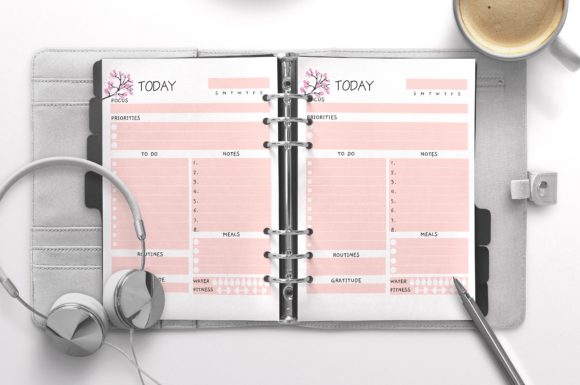
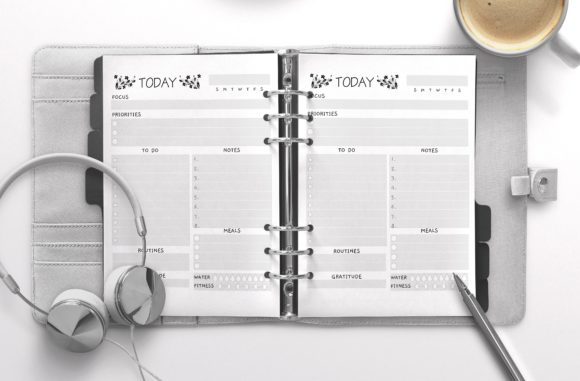
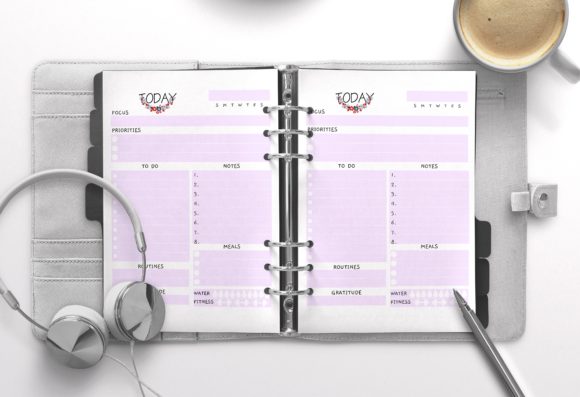
A common misunderstanding among planning beginners is that a planner is simply a to-do list. However, effective planners like the Day Focus - Priorities - To Do - Notes - Meals - Routines - Water Tracker - Fitness Tracker model are holistic ecosystems. Each section serves a specific neurological or logistical purpose.
Day Focus and Priorities vs. To-Do Lists
One of the most critical distinctions in modern planning is the separation of "Priorities" from general "To-Dos." A standard to-do list is often a graveyard of good intentions, filled with low-value tasks that create a false sense of busyness. The Day Focus section forces you to identify the singular theme or objective of the day. Following this, the Priorities section should be limited to three non-negotiable tasks that align with that focus.
Only after these are defined should you utilize the general To-Do list for administrative chores, emails, and smaller errands. This hierarchy prevents decision fatigue and ensures that even if the small tasks remain unfinished, the day is still considered successful because the primary objectives were met.
Holistic Health Integration: Meals, Water, and Fitness
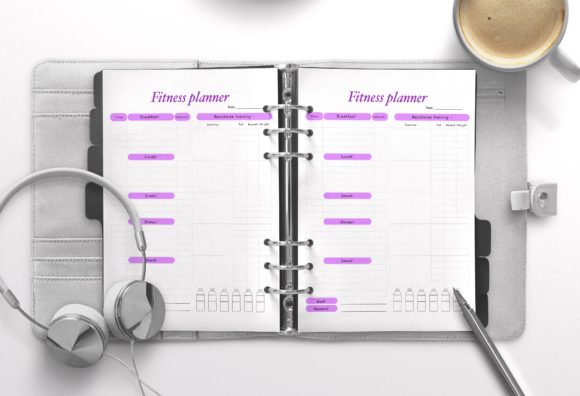
Productivity cannot exist in a vacuum; it is fueled by biological well-being. Integrating Meals, Water Tracker, and Fitness Tracker directly into the daily layout eliminates the need for separate health journals. This consolidation reduces friction. When your hydration goal is visually adjacent to your work priorities, you are reminded that drinking water is a performance metric, not just a health suggestion.
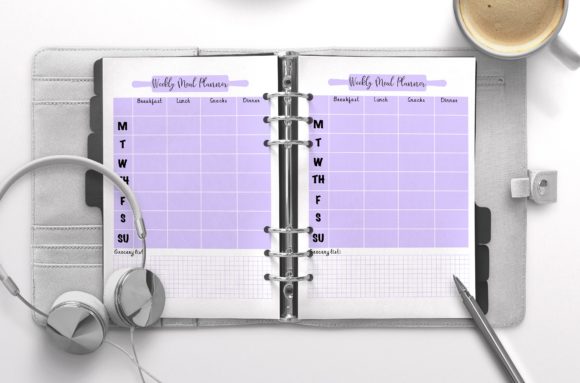
For example, a user might schedule a workout block during a mid-day energy slump identified in their routine tracker. Similarly, meal planning within the daily view prevents the late-afternoon decision fatigue that often leads to unhealthy eating choices. By treating health metrics as scheduled appointments rather than optional aspirations, users build sustainable habits alongside their professional goals.
Routines and Notes: The Glue of Consistency
The Routines section is designed to automate behavior. Whether it is a morning ritual to prime the brain or an evening wind-down to improve sleep quality, tracking routines helps solidify neural pathways. Meanwhile, the Notes section serves as a cognitive offload zone. Keeping a dedicated space for fleeting thoughts, ideas, or reminders prevents them from interrupting deep work sessions. Instead of stopping to research a random idea, you capture it in the notes section and return to your priority task immediately.
The Strategic Value of Printable PDF Assets
The product description highlights a significant feature: receiving two distinct PDF formats—one single file and one split into 100 individual files. Understanding the utility of this distinction is crucial for maximizing value, especially for those interested in commercial use or digital planning.
Personal Utility: Flexibility and Customization
For the individual user, having 100 separate files offers unprecedented flexibility. You are not bound to a linear progression. If you miss a week, you do not have wasted blank pages staring back at you. You can print only what you need, when you need it. This modularity is perfect for students who may need intense planning during finals week but lighter tracking during breaks, or for parents managing seasonal schedules.
Additionally, the single-file PDF version is ideal for tablet users. Apps like GoodNotes or Notability allow users to import the full Letter-size planner as a hyperlinked digital notebook. This bridges the gap between analog structure and digital convenience, allowing for searchability and cloud backup while retaining the tactile experience of handwriting.
Commercial Use: Empowering Creators and Coaches
The inclusion of Commercial Use rights transforms this planner from a simple consumer good into a business asset. Life coaches, teachers, therapists, and Etsy sellers can utilize these templates to create value-added products. For instance, a wellness coach could bundle this purple daily planner with their course materials as a branded workbook. A teacher could print copies for students to teach executive functioning skills.
It is important to clarify what commercial use typically entails in this context. Generally, it allows you to sell the printed physical product or include the PDF as part of a larger paid offering. It usually prohibits reselling the raw digital file as-is. Always review the specific license agreement, but understanding this potential allows entrepreneurs to monetize their organizational expertise without spending hundreds of hours designing layouts from scratch.
Implementing Your Planner for Long-Term Success
Owning a Daily Planner Letter Purple 100 Pages is the first step; using it effectively is the journey. Beginners often fall into the trap of perfectionism, believing that a messy planner equals failure. On the contrary, a well-used planner should show signs of life. Crossed-out items, migrated tasks, and coffee stains are evidence of engagement.
To get started, establish a "planning ritual." Spend five minutes each evening reviewing the previous day’s notes and setting the Day Focus for tomorrow. This practice closes the cognitive loop on today’s stressors and primes your reticular activating system (RAS) to recognize opportunities related to tomorrow’s priorities while you sleep. Over time, the combination of the calming purple aesthetic, the spacious Letter format, and the intentional sections will shift your mindset from reactive survival to proactive design.
Whether you are a busy professional seeking clarity, a student managing coursework, or a creator looking for commercial-ready templates, this planning system offers a robust foundation. By integrating focus, health, and flexibility into one cohesive document, you are not just organizing your time; you are curating your life.