Life Planner Rose: A Practical Guide to Balanced Health and Productivity
Finding a planning system that seamlessly integrates professional responsibilities with personal wellness is often more challenging than it appears. The Life Planner Rose addresses this specific friction point by combining aesthetic appeal with rigorous functional tracking. Designed for adults navigating complex schedules, this digital planner moves beyond simple to-do lists to encompass holistic health management. However, the effectiveness of any planning tool depends entirely on how well it aligns with your existing habits and technical setup. Before integrating this resource into your daily routine, it is essential to understand not just what it offers, but how to avoid common implementation errors that render digital planners obsolete after only a few weeks of use.
Understanding the Integrated Tracking System
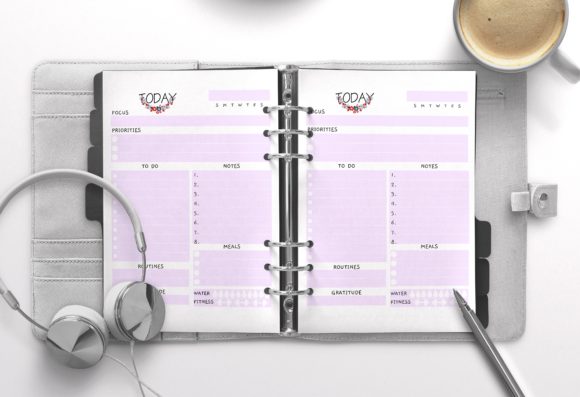
The core value of the Life Planner Rose lies in its structured approach to daily inputs. Many users mistakenly treat health trackers as separate entities from their productivity systems, leading to fragmented attention and inconsistent data. This planner consolidates critical metrics into a single view, but you must understand the intent behind each section to use them effectively.
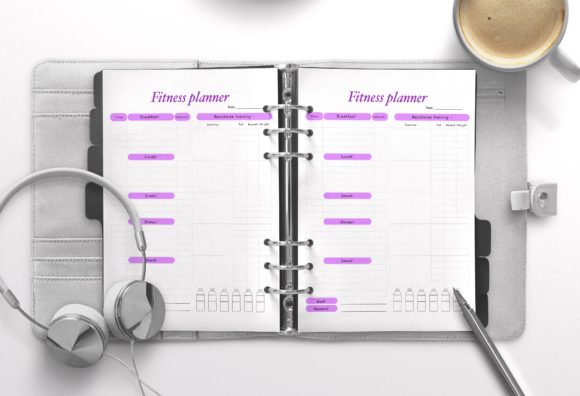
Nutrition tracking is divided into five distinct opportunities: breakfast, lunch, dinner, and two snack slots. Each includes space for both time and calorie counts. A frequent oversight is focusing solely on the calorie number while ignoring the timestamp. Consistent meal timing regulates energy levels and cognitive focus just as much as nutritional content does. When using this planner, record the time first to establish a rhythm, then refine the caloric accuracy over time. This prevents the tracker from becoming a source of anxiety and instead makes it a tool for metabolic consistency.
Physical activity tracking requires similar precision. The resistance training section provides fields for exercise name, sets, repetitions, and weight. Beginners often fill these out retrospectively at the end of the day, which leads to inaccurate data and missed progressive overload opportunities. The correct approach is to treat this section as an active worksheet during your training session. If you cannot access the PDF while exercising, transcribe the data immediately post-workout. Accurate logging here is the only way to transform subjective feelings of effort into objective progress.
The inclusion of a water tracker, goal setting, and reward system completes the feedback loop. The reward section is frequently overlooked by high-performers who view self-care as secondary. However, sustainable productivity requires positive reinforcement. Use this space to link specific achievements to tangible restorative actions, ensuring your planning cycle supports long-term endurance rather than short-term burnout.
Critical Sizing and Compatibility Mistakes
The most significant point of failure when adopting the Life Planner Rose occurs before the first page is ever printed or annotated. This product includes four distinct PDF sizes: Letter, A4, Half Letter, and A5, plus a JPG file. Assuming these are interchangeable or universally compatible with your specific device or binder is a costly error.
Digital vs. Print Misalignment
If you intend to use this planner on a tablet with a stylus, screen aspect ratio matters immensely. Using an A4 PDF on a device optimized for Letter size results in awkward margins or zooming issues that disrupt the writing experience. Conversely, printing a digital-optimized layout without checking printer settings can cut off tracking tables. Always verify your device’s native dimensions against the provided files before committing to a workflow. Test print a single page or load the file onto your tablet to check margin alignment before bulk printing or purchasing expensive accessories.
Binder Compatibility Confusion
For those preferring analog organization, confusing Half Letter with A5 is a common frustration. While similar in dimension, their hole-punch patterns and exact measurements differ. Half Letter is typically 5.5 x 8.5 inches, while A5 is 148 x 210 mm. Purchasing binders based on visual estimation rather than precise specification will result in pages that do not fit securely. Check the "What You Get" specifications carefully and match them to your existing hardware. If you are buying new supplies, select the size that matches your primary carrying method; A5 and Half Letter are superior for mobile professionals, while Letter and A4 serve better as desk-based command centers.
Avoiding Workflow Friction and Abandonment
Even with the correct size selected, users often abandon digital planners due to unrealistic expectations regarding file management. The Life Planner Rose is delivered as a static PDF and a JPG file. It is not an app with automated syncing or cloud backup. Treating it like software rather than a document leads to data loss and version control chaos.
Establish a File Naming Convention: Never save over your master template. Create a dedicated folder structure organized by month or week. Save each day’s entry with a consistent naming protocol (e.g., YYYY-MM-DD_LifePlannerRose). This ensures you can retrieve historical data for trend analysis without sifting through generic filenames like "document_final_v2.pdf."
Backup Redundancy: Because this is a local file system, you are responsible for data integrity. Sync your planner folder to a cloud service or external drive weekly. Losing three months of health and productivity data due to device failure is preventable but devastating. Automate this backup process so it does not rely on memory.
JPG Utility Awareness: The included JPG file is often misunderstood as a secondary planner page. It is typically intended for use as a digital wallpaper, lock screen, or quick-reference dashboard. Utilizing this image keeps your goals and current metrics visible without opening the full PDF, reducing the friction of checking your status throughout the day. Ignoring this asset means missing a passive reinforcement opportunity.
Evaluating Fit Before Commitment
Before downloading or purchasing, conduct an honest audit of your current tracking capacity. The Life Planner Rose is comprehensive, but comprehensiveness requires time. If you currently track zero health metrics, attempting to fill every field immediately will likely lead to fatigue within ten days.
A better approach is phased implementation. Start with the water tracker and one meal log for the first week. Add resistance training data in week two. Introduce the second snack and reward system only once the foundational habits are automatic. The planner’s structure supports this modular usage; blank fields are acceptable during the ramp-up phase. Perfectionism is the enemy of consistency, and this tool is designed for long-term adaptation, not immediate flawless execution.
Finally, consider your output preference. If you dislike writing on glass screens and find printing tedious, this specific format may introduce more friction than it resolves. The Life Planner Rose excels for those who want total ownership of their data without subscription fees and who appreciate the tactile or stylus-based interaction with a fixed layout. For users requiring automated calculations or cross-device real-time sync, a dedicated app might be more appropriate. However, for those seeking a customizable, distraction-free environment that bridges the gap between professional ambition and physical health, this planner provides a robust foundation when used with intentionality and technical awareness.