KDP Interior Scuba Diving Log Book: Ready-to-Upload Guide
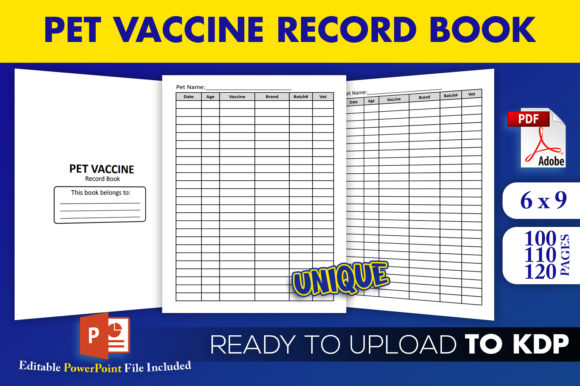
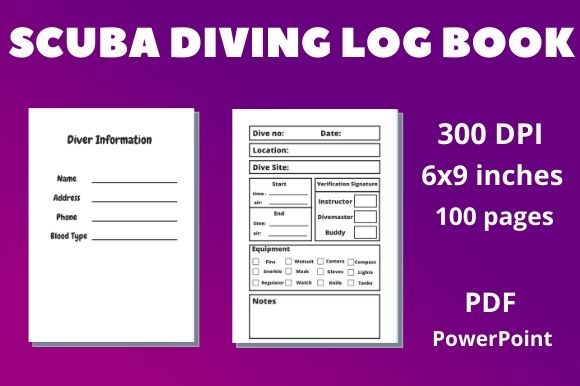
Creating a successful low-content book on Amazon requires more than just a catchy cover; the interior experience determines whether a customer leaves a five-star review or returns the product. A KDP Interior Scuba Diving Log Book serves as the functional backbone of your publishing project, providing divers with a structured, professional space to record their underwater adventures. When you utilize a pre-formatted interior that is ready to upload to KDP, you bridge the gap between a creative idea and a tangible product available for global distribution. This specific resource typically includes 100 pages formatted at 6″ x 9″, delivered as a high-resolution 300 dpi PDF file, and often includes an editable PowerPoint source for customization.
Understanding the Value of a Pre-Formatted Dive Log
For entrepreneurs and hobbyists entering the niche publishing market, time is often the most significant barrier. Designing a technically accurate dive log from scratch requires knowledge of both graphic design and scuba diving protocols. You must understand which fields are essential—such as bottom time, max depth, air consumption, and safety stops—and how to arrange them legibly within a compact trim size. A dedicated Scuba Diving Log Book Interior eliminates this learning curve. It provides a verified layout that meets industry standards while satisfying Amazon’s strict printing specifications.
The value extends beyond mere convenience. By starting with a professional template, you ensure that the line weights are crisp, the margins account for bleed and gutter space correctly, and the text remains readable after printing. The 6″ x 9″ dimension is particularly strategic for this niche. It is large enough to accommodate detailed data entry and small sketches of marine life, yet compact enough to fit inside a standard dive bag or mesh gear pouch. This balance of portability and utility makes it the preferred choice for recreational divers and professionals alike.
Key Technical Specifications for Publishing Success
When evaluating a KDP Interior Scuba Diving Log Book for your catalog, understanding the technical deliverables is crucial for avoiding rejection during the upload process. The inclusion of a 300 dpi PDF file is non-negotiable for print quality. While screens display images clearly at lower resolutions, physical printing demands high density to prevent pixelation or blurriness, especially for fine lines and small typography used in log tables. This resolution ensures that every checkbox, depth gauge icon, and header looks sharp on the cream or white paper stock used by KDP.
Furthermore, the provision of a PowerPoint file adds a layer of flexibility that static PDFs cannot offer. As a creator, you may want to add your own branding, modify the "Notes" section, or adjust the language for a specific regional market. Having the source file allows you to make these adjustments without needing expensive software like Adobe InDesign. This accessibility democratizes the publishing process, allowing educators, dive shop owners, and freelance designers to produce custom-branded logbooks with minimal technical friction.
Practical Applications Across Different Niches
The versatility of a ready-to-upload dive log interior allows it to serve multiple distinct audiences. Understanding these use cases helps you position your book effectively through metadata, keywords, and marketing copy. Here are several practical contexts where this specific interior format excels:
- Dive Shop Merchandise: Local dive centers and charter operators can use the editable PowerPoint file to insert their logo and contact information on the first page. This transforms a generic logbook into a branded souvenir that reinforces customer loyalty and serves as ongoing advertising long after the trip ends.
- Certification Course Supplements: Scuba instructors and educators often need affordable, standardized logs for students completing Open Water or Advanced certifications. A 100-page volume provides ample space for training dives plus future recreational logging, offering better value than flimsy course-specific pamphlets.
- Travel and Adventure Bloggers: Content creators in the travel niche can bundle a physical logbook with digital courses or affiliate guides. Offering a tangible tool complements digital content and provides an additional revenue stream that aligns perfectly with their audience's passion.
- Gift Market for Divers: Friends and family members of divers often struggle to find useful gifts. A well-designed logbook is a safe, practical present that acknowledges the recipient’s hobby without requiring the giver to understand complex gear specifications.
Customization Strategies for Market Differentiation
While a standard KDP Interior Scuba Diving Log Book provides a solid foundation, success in a competitive marketplace often depends on differentiation. Because this asset includes an editable PowerPoint file, you have the opportunity to tailor the 100 pages to specific sub-niches. For example, you might create a version specifically for wreck divers by adding fields for site history or penetration depth. Alternatively, a marine biology-focused edition could include species identification checklists or water temperature tracking grids.
Even simple modifications can significantly impact perceived value. Adding a "Dive Site Map" sketch area on every other spread, or including conversion tables for metric and imperial measurements in the front matter, enhances usability. These small touches signal to potential buyers that the book was designed with actual diving needs in mind, rather than being a generic notebook with a scuba cover. Always remember to export your modified version as a new 300 dpi PDF to maintain print integrity before uploading to KDP.
Important Considerations Before Uploading
Before listing your Scuba Diving Log Book Interior, there are several critical factors to verify to ensure a smooth publishing experience and positive customer reception. First, always download and review the proof copy or digital previewer carefully. Check that the inner margin (gutter) is sufficient so that writing near the spine is comfortable. With a 6″ x 9″ book containing 100 pages, the gutter requirement is modest but essential; if text sits too close to the binding, users will find the log frustrating to fill out underwater or on a rocking boat.
Additionally, consider the paper type implications. KDP standard color or black-and-white paper is uncoated, which is ideal for logbooks because users need to write with pencils or waterproof pens. Glossy paper would be disastrous for this application as ink would smear. Ensure your interior design accounts for the slight transparency of standard book paper; avoid placing heavy graphics directly opposite blank writing areas to prevent show-through. Finally, validate that your metadata accurately reflects the interior contents. If your book includes specific features like equipment checklists or tide charts, mention them explicitly in the description so customers know exactly what they are purchasing.
Building a Sustainable Low-Content Portfolio
Integrating a high-quality dive log into your publishing strategy supports long-term business goals. Unlike trend-based journals that fade quickly, scuba diving is an evergreen activity with a dedicated community that values record-keeping for safety and certification progression. By utilizing a professional, ready-to-upload interior, you reduce production time and reinvest those hours into keyword research, cover design testing, and marketing. The 100-page count strikes an optimal balance between perceived value and printing cost, allowing for healthy royalty margins while remaining affordable for the end user.
Ultimately, the goal is to provide a tool that divers actually want to use. When you combine a compliant 300 dpi PDF, a flexible PowerPoint source, and a thoughtful 6″ x 9″ layout, you create a product that respects both the platform’s requirements and the diver’s needs. Whether you are a seasoned publisher expanding your catalog or a dive enthusiast sharing your passion, this interior template offers a reliable pathway from concept to published book. Focus on quality, usability, and accurate representation, and your logbook will serve as a valuable asset in both your portfolio and the diving community.